The Optimal Longevity Plate: Designing a Dietary Pattern for A Longer Lifespan
.thumb.jpg.22ceb6de1effa313c31a766119b1cc5a.jpg)
By Ghost in Men's Health
· 43 views
Introduction: The Convergence of Evidence
In the quest to decipher the optimal human diet for longevity, a remarkable consensus has emerged from disparate fields of study. Analyses of the world’s Blue Zones—geographic pockets where centenarians are common—large-scale prospective cohort studies following hundreds of thousands of individuals for decades, and rigorous metabolic and genetic research all point toward a singular, powerful conclusion: a predominantly plant-centered dietary pattern is the most robust predictor of extended healthspan and reduced risk of chronic disease. The Mediterranean diet consistently tops rankings for cardiovascular and cognitive health; Blue Zones diets showcase practical longevity in action; and the Planetary Health Diet provides a framework sustainable for both human and ecological health. These are not fads but evolutionary echoes, refined by modern science. This essay details the synthesis of this evidence into a practical, visual model: The Optimal Longevity Plate—a guide to eating for a longer, healthier life.
Part 1: Foundational Principles – The Pillars of Longevity Nutrition
The longevity diet is not defined by a single “superfood” or drastic restriction, but by a holistic pattern built on several core pillars, each supported by deep biological rationale.
Plant-Predominance (80-95% of Calories): This is the non-negotiable cornerstone. Plant foods—vegetables, fruits, legumes, nuts, seeds, and whole grains—deliver a synergistic matrix of fiber, vitamins, minerals, and, most critically, polyphenols. These phytochemicals (e.g., resveratrol in grapes, sulforaphane in broccoli, anthocyanins in berries) are not merely antioxidants; they are signaling molecules that upregulate the body’s own defense systems, including sirtuin pathways and NrF2-mediated detoxification, enhancing cellular resilience and reducing systemic inflammation, the bedrock of aging.
Protein Priority & Source: While adequate protein is essential for maintaining muscle mass (sarcopenia prevention) and metabolic function, the source and quantity matter profoundly. The longevity benefit consistently points to:
Plant-Protein Primacy: Legumes—beans, lentils, chickpeas—are the “cornerstone protein” of every Blue Zones diet. They provide satiating protein without the inflammatory saturated fats found in some meats, along with immense fiber that feeds a healthy gut microbiome. The microbiome, in turn, produces metabolites like short-chain fatty acids that regulate immunity and inflammation.
Aquatic over Terrestrial: When animal protein is included, fatty fish (salmon, sardines, mackerel) are paramount. Their long-chain omega-3 fatty acids (EPA and DHA) are incorporated into cell membranes, improving fluidity and reducing the production of pro-inflammatory eicosanoids. They are linked to lower rates of heart disease, better cognitive function, and potentially longer telomeres.
Fat as a Functional Nutrient: The demonization of fat was a catastrophic nutritional misstep. Healthy fats are essential for hormone production, nutrient absorption, and neural integrity. The longevity plate liberally employs extra virgin olive oil, the monounsaturated-rich fat central to Mediterranean health. Its polyphenols, like oleocanthal, have potent anti-inflammatory properties. Nuts, seeds, and avocados provide additional healthy fats and fiber.
The Exclusion Principle: What is omitted is as important as what is included. The plate minimizes:
Ultra-Processed Foods: Engineered for hyper-palatability, they disrupt satiety hormones, drive overconsumption, and are linked to obesity and mortality.
Added Sugars & Refined Grains: These cause rapid spikes in blood glucose and insulin, promoting insulin resistance, fatty liver disease, and glycation—a process where sugars bind to and damage proteins, accelerating aging.
Red and Processed Meats: Regularly linked to increased risk of colorectal cancer and heart disease, likely due to heme iron, certain preservatives (nitrates/nitrites), and cooking by-products.
Part 2: The Plate Deconstructed – A Visual Guide for Practical Implementation
Translating principles into practice requires simplicity. The Optimal Longevity Plate uses the familiar visual of a divided dinner plate to allocate foods by proportion and priority.
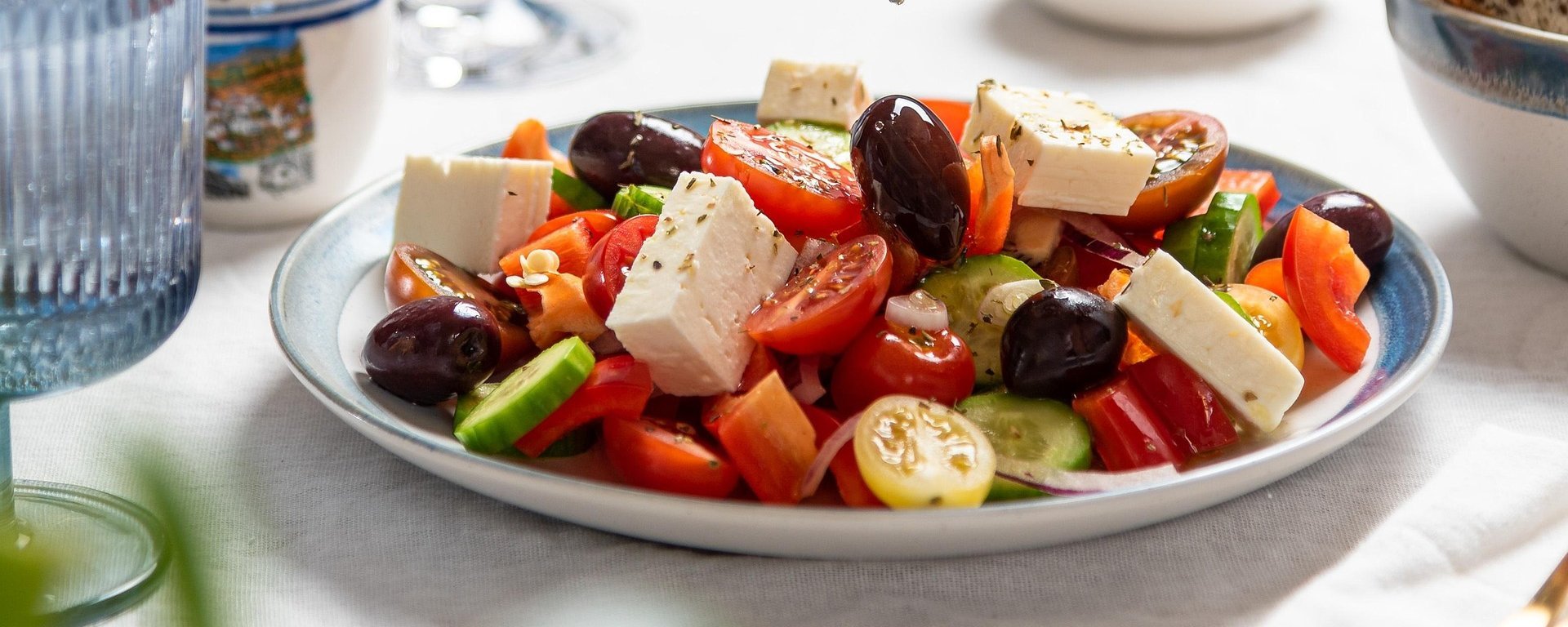
50% – The Vegetable Foundation (Half the Plate): This is the volume and color center. “Eat the rainbow” is not a cliché but a strategy for phytonutrient diversity. Deep leafy greens (kale, spinach) provide folate and lutein; bright reds and oranges (tomatoes, peppers, sweet potatoes) offer carotenoids; cruciferous vegetables (broccoli, cauliflower) deliver glucosinolates. This high-volume, low-calorie-density base ensures micronutrient sufficiency and satiety with minimal metabolic cost.
25% – The Fruit & Legume Synergy (A Quarter of the Plate): This section merges two longevity powerhouses. Legumes should be consumed daily—a habit universal among centenarians. They are the optimal package: slow-digesting carbohydrates, high fiber, and plant protein that downregulates the aging-associated mTOR pathway. Paired with low-glycemic, high-polyphenol fruits like berries, citrus, and apples, this quadrant delivers a powerful one-two punch of fiber and flavonoids, supporting stable blood sugar and vascular health.
15-20% – Quality Proteins (A Fifth of the Plate): This is a prioritized list, not an equal-choice selection. The first and best option is fatty fish (2-3 times per week). Next come eggs (a complete protein with choline for brain health) and nuts/seeds (healthy fats, minerals). Poultry and fermented dairy (plain yogurt, kefir) are optional inclusions, placed here to reflect their secondary but still beneficial role in some longevity diets. Red meat, if consumed, is an occasional guest, not a resident.
~10% – The Supporting Side: Intact Whole Grains: Grains are not the foundation but a complementary source of sustained energy and additional fiber. They are “intact” (quinoa, oats, barley, brown rice) or properly prepared (sourdough, soaked) to improve digestibility and nutrient bioavailability. Their portion is consciously kept modest to maintain the plant-predominant focus.
Freely Applied – The Longevity Boosters: This is the flavor and function layer: liberal use of extra virgin olive oil for dressing and light cooking; herbs and spices (turmeric, ginger, rosemary, garlic) that are repositories of anti-inflammatory compounds; alliums (onions, garlic) for prebiotic fibers. These are not garnishes but active therapeutic ingredients.
Part 3: The Biological Payoff – How This Plate Modulates the Hallmarks of Aging
This dietary pattern does not merely avoid deficiency; it actively promotes a physiological state conducive to slower aging. It intervenes on several key “hallmarks of aging”:
Attenuates Inflammation (Inflammaging): The synergy of omega-3s from fish, polyphenols from plants, and oleocanthal from olive oil creates a potent anti-inflammatory milieu, quieting the chronic, low-grade fire that drives atherosclerosis, neurodegeneration, and insulin resistance.
Improves Metabolic Flexibility: The high fiber and low glycemic load ensure a slow, steady release of glucose, improving insulin sensitivity and reducing the metabolic stress that leads to type 2 diabetes and fatty liver disease.
Supports Genomic & Cellular Stability: Polyphenols activate sirtuins, proteins involved in DNA repair and cellular homeostasis. The reduction in processed foods and charred meats lowers exposure to genotoxic compounds. The moderate, quality-protein approach avoids excessive mTOR activation, which is linked to accelerated cellular aging.
Nourishes the Gut Ecosystem: The massive influx of diverse fibers acts as prebiotics, selectively feeding beneficial gut bacteria. Fermented foods (if included) add probiotics. A healthy, diverse microbiome is crucial for proper immune function, mental health, and even the production of longevity-related metabolites like butyrate.
Promotes Autophagy: The pattern’s natural inclination toward a lower eating frequency (by emphasizing satiating, whole foods) and its protein moderation can encourage autophagy—the cellular “clean-up” process where damaged components are recycled, a key mechanism for cellular renewal.
Conclusion: A Template, Not a Tyranny
The Optimal Longevity Plate is a template grounded in the strongest available evidence. It is inherently flexible—an active individual may increase starchy vegetables or legumes; someone following a fully plant-based path can emphasize algae-based omega-3s. Cultural traditions can and should be adapted within its framework: a stir-fry can fill the vegetable half with bok choy and peppers, use tofu or tempeh in the protein quadrant, and feature a side of black rice.
Ultimately, this is not a transient “diet” but a sustainable dietary pattern for life. It rejects the noise of reductionist nutrition and embraces the complexity of whole foods and their synergistic effects. By consistently filling one’s plate according to these evidence-based proportions, an individual does more than prevent disease; they actively cultivate a physiological environment where healthspan is extended, vitality is preserved, and the added years are lived well. It is, perhaps, the closest we can come to a nutritional prescription for a longer, healthier life.
#OptimalLongevityPlate #LongevityDiet #Healthspan #LiveLongerBetter #BlueZonesDiet #MediterraneanDiet #PlantCentered #NutritionScience #EatForLongevity #AntiAgingNutrition #HealthyAging #FoodIsMedicine #PreventiveHealth #DietaryPattern #WholeFoods #ScienceBasedNutrition
Recommended Comments